


About Us
Our core belief is shown by using natural materials in our crafts, O.K.A.F is the acronyms for Oway (Rattan), Kilang (wood), Awal (Bamboo) and Fakeloh (Stone) in Amis language. We are dedicated to manage and care for our forest and land as we depend on it. Rattan is our specialty, we work with it for our wicker crafts and also tying structural members together, such as bamboo and wood. We also use a variety of other plants for decorating purposes. Relying on natural materials is our statement that creation could restore natural resources and a culture that promotes sustainability.

Material Care
1. Rattan products are water resistant and could withstand water splashes and rain, however they shouldn’t be soaked in water. Use dry cloth to wipe down your rattan product and hang dry indoors.
2. They should be hung up at the wall or under the roof when not in use, occasional exposure under the sun helps to keep its quality.
3. Traditionally, rattan goods would be hung 2 meters above the hearth, as the product is being smoked, a natural brown sheen will occur overtime.
4. The natural waxy coating on the rattan helps to protect its inner fibers, it is dust and stain repellent to some degree.
*Rattan is more durable compared to other natural materials used in basketry, However they could be damaged under strong impacts, cuts and scratches. Please contact us for repair / replacement services.
Custom Order
We specialize in reproducing traditional basketry, and they have a set of dimensions for a reason, however we could customize our craft and finishes to fit your desire, please contact us directly through Wix Chat or Facebook for more information.
All of our products are made to order, we do not accept unreasonable refunds.
Woven Wares

Otal Rattan tightening Wrap
The tightening grip wrap is widely
applicable in Amis culture, it is used
to secure structures, knife handles,
stone pestles and bamboo rafts.
The interlaced weave could fasten
two objects together or be used as a
better grip for smooth handles. The
pattern of the wrap will become more
obvious after frequent use.

Safit Rattan Carrying Strap
The rattan backpack strap uses an odd number of rattan strands. Due to the resilient property of rattan, the strands need to be shaved as thin as possible and be honed with the back of the knife. The result is a very study weave that could carry above 50kg.
Strand Braid
-9
-13

Patafoan Bento Box
Patofuan is used as a lunchbox for the Amis people, it uses a tight 3/3 or 2/2 twill weave to form a container. They would fill the lunchbox with rice, potatoes or yam and carry it to the mountains in the morning, and the food would still be warm in the afternoon.
Size
-Small
-Medium
-Large

Kalihic / Padiwawa Fishing Creel
In the past, the creel basket was used during foraging by the river and the sea. It could be woven by rattan or bamboo, the narrowing neck of the basket would prevent crabs, frogs and other prey from coming out. It is common to use packing straps to weave this basket nowadays.
Size
-Small
-Medium

Talaloan Raised Basket
upcoming soon

Cepeng Head Basket
The basket uses traditional Paiwan tribe’s form, bamboo is commonly used for this basket. Girls from the Paiwan tribe will learn how to carry this basket on their heads from young. They would carry yam, sweet potato, millet and other crops in it, a skilled person could carry over 20kg of goods effortlessly.

Takil Tayal Backpack
Coming soon

Kaway Harvest Basket
Kaway is commonly used in
Amis, Bunbun and Atayal tribes,
although their form, frame, and
weave finishing differs slightly. It is
a multipurpose basket that carries
crops, wild plants, tools or caught
prey. They would carry this for work
and foraging trips to the mountains.
Amis’s basket style would use a
rounder structure giving it a more
curvilinear look.
Size
-Small
-Medium
-Large
-X Large

Tokuyoudan Hunting Backpack
The upper portion of the hunting backpack uses a large hexagonal weave, this allows the backpack to open up and store a variety of items needed for the trip.
Size
-Small
-Medium
-Large
-X Large

Rattan Travel Pack
The backpack is similar to the Patofuan, 4 hoops of rattan are added to form a structural frame for the basket, it keeps the tight lid of the Patofuan. The shock resistant and sturdy property of the backpack makes it ideal for the user to store items such as a laptop.
Size
-Small
-Medium
-Large

Hatapes Rattan Sieve
The sieve is used to dry crops such as beans, peppers, grains and tobacco, it could filter out impurities too. Besides using rattan for the weave, bamboo or sugar palm could be used too. Twill and square weave are the main methods for weaving this tool.
Size
-Medium
-Large

Takar / Sasa' Rattan Bed (indoors/outdoors)
Elevated from the ground, the rattan bed is the most important furniture in the traditional Amis house. Traditionally, some beds can span up to 7 to 8 meters wide or built as individual beds.
Beds placed outdoors will be referred to as Sasa’, they are similar to the beds indoors.
Size
-Single Bed
-Double Bed
35

Fasulan Rattan Mat
Traditionally the rattan matt would be very large, spanning at around 3 meters square.
During the harvesting period, the tribes would spread the grains on it to bask in the sun. In case of rain, the grains could be kept in the house easily and quickly. On summer nights, the family would also put the rattan mats out of the house to rest and sleep on.
Size
-Single Bed
-Double Bed
Natural Building

Sasa' Pavilion
去過蘭嶼之後
回來便對蘭嶼的涼台念念不忘
幾乎每天都會坐在涼台上休息、編織、看海
材料:
桃花心木、杉木、柳安、茅草、黃藤
特別感謝:野孩子拍攝團隊、阿強、Caki(昊恩)、Kacaw(冠誠)、Fuyang

Nanwang Elementary school
Playhouse
Keep your clients up to date with what's happening. To make this content your own, just add your images, text and links, or connect to data from your collection.

Compost Toilet
Keep your clients up to date with what's happening. To make this content your own, just add your images, text and links, or connect to data from your collection.
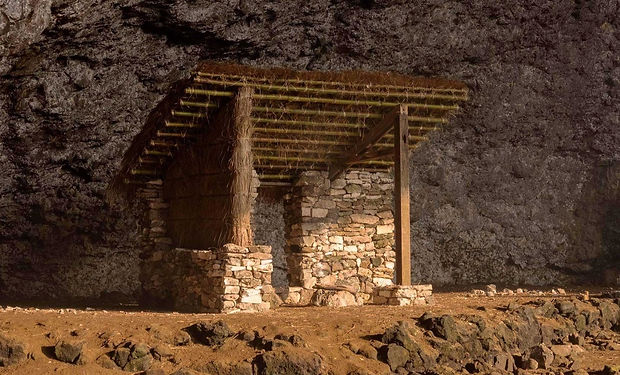
Stone Hut
Keep your clients up to date with what's happening. To make this content your own, just add your images, text and links, or connect to data from your collection.

Sasa' Pavilion
Keep your clients up to date with what's happening. To make this content your own, just add your images, text and links, or connect to data from your collection.

Thatched Roof Kitchen
Keep your clients up to date with what's happening. To make this content your own, just add your images, text and links, or connect to data from your collection.

Tree House Work Lodge
Keep your clients up to date with what's happening. To make this content your own, just add your images, text and links, or connect to data from your collection.
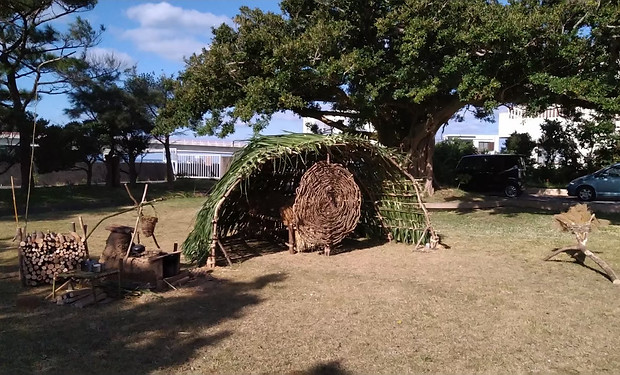
Hunter's Lodge
Keep your clients up to date with what's happening. To make this content your own, just add your images, text and links, or connect to data from your collection.

Hidden South Reception Center
Keep your clients up to date with what's happening. To make this content your own, just add your images, text and links, or connect to data from your collection.

Wedding Floral Wreath
Keep your clients up to date with what's happening. To make this content your own, just add your images, text and links, or connect to data from your collection.